


As gun attacks in US supermarkets rise, a look at what’s in the mind of these retail mass shooters
Criminologists have found that two-thirds of perpetrators had a prior criminal history and half of them communicated intent to do harm to others ahead of the attack. Yet, retail shootings tend to be less well-planned than other mass shootings

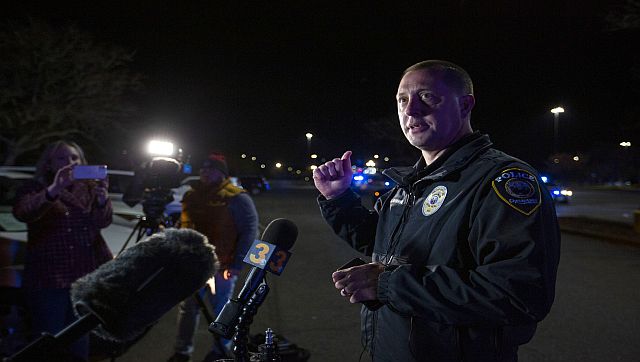
Chesapeake Police Public Information Officer Leo Kosinski delivers an update to the press following a mass shooting at a Chesapeake, Virginia. AP[/caption]What do we know about mass shootings at stores?The tragedy in Chesapeake, Virginia, is the 36th mass shooting in our database to take place in a retail establishment. These shootings claimed 217 lives and injured 227 more, and they have been increasing over time — with 2019 and 2021 the worst years on record for retail shootings.Retail shootings are most common in Southern and Western states and two-thirds took place in urban locations. The perpetrators were all male except for one woman who committed the shooting with her male partner.Retail mass shooters were White in 56 per cent of such incidents and Black in 25 per cent of recorded cases and ranged in age from 18 to 70 — although 60 per cent were in their 20s. Around one in 10 were employees of the retail establishments they targeted.Perpetrators usually used one gun (58 per cent). One-third of perpetrators used an AR-15 style assault weapon.Looking at the life histories of perpetrators, two-thirds had a prior criminal history and half of them communicated intent to do harm to others ahead of the attack. Yet, retail shootings tend to be less well-planned than other mass shootings — only 22 per cent of perpetrators did significant planning.Two-thirds of the shooters were suicidal — 26 per cent had a prior suicide attempt and another 37 per cent intended to die during the shooting — and around 30 per cent were experiencing psychosis, although perpetrators were only acting on their hallucinations or delusions in 11 per cent of retail shootings. Half of the perpetrators had a known prejudice against a racial or religions group.Workplace rampages and what motivates themThe motive in the Virginia incident is not known, but reports suggest the perpetrator was a Walmart employee.In our data, workplace shootings are motivated by an employment issue such as being fired or suspended in 70 per cent of incidents, and by an interpersonal conflict with another employee 23 per cent of the time.Nearly three-quarters of perpetrators show changes in behavior or warning signs prior to the shooting, such as increased agitation.Our research suggests many strategies to prevent these types of mass shootings — from anonymous reporting systems for employees to workplace crisis response teams. However, restricting access to firearms for high-risk people would be the most effective strategy overall.This article is republished from The Conversation under a Creative Commons license. Read the original article.Read all the Latest News, Trending News, Cricket News, Bollywood News,India News and Entertainment News here. Follow us on Facebook, Twitter and Instagram.

How a 27-year-old woman broke the internet during Mumbai's CJP protests
The Great Covid Fraud: How Indian-origin couple in UK funded lavish lifestyle through fake PPE orders
Fake jobs, tourist visas: Inside Russia’s vast network luring foreigners to fight Ukraine war
Why has Bangladesh’s choice of India spokespersons raised eyebrows?
Who is Sandeep Lamba, the Delhi cop removed from protest site duty after slapping female protester?