
Advertisement
Co Presented By
Co Presented By


Sections
VG Siddhartha dead: CCD had mounting debt, but facts don’t suggest coffee chain was a failed affair beyond redemption
Selling his assets and part of his shareholding would have given a new lease of life to CCD and VG Siddhartha

There are certain things that do not add up well in the parting letter allegedly left behind by the dead founder of Café Coffee Day (CCD), VG Siddhartha. The tone and tenor of the letter suggest that he took the extreme step following CCD’s business failure, mounting debt, pressure from lenders and buyback demand from one of the private equity partners. The financial stress may have been real but Cafe Coffee Day wasn’t a failed business beyond redemption, at least available facts and figures do not suggest that.[caption id="attachment_5934531" align="alignleft" width="380"]![V G Siddhartha, Chairman and Managing Director, Coffee Day Enterprises. Pic Courtesy: coffeeday.com]() V G Siddhartha, Chairman and Managing Director, Coffee Day Enterprises. Pic Courtesy: coffeeday.com[/caption]The second mystery in Siddhartha’s purported letter is the statement: “My team, auditors and senior management are totally unaware of all my transactions.” If the dead founder of CCD was referring to the borrowings, it is not possible that his auditors and board members were unaware about it. This is unlike Satyam founder B Ramalinga Raju’s letter where he stated that he fudged the company’s accounts for 7 years. As far as we know, Siddhartha committed no fraud in CCD but carried out routine financial transactions. Borrowings cannot be an individual decision and it is highly unlikely that the board and auditors were in the dark.CCD had debt obligations. But it also had assets well enough to cover the liabilities. It is a well-known brand with a strong footprint across the country with active investor interest in its future prospects. Multinational giant Coca-cola had reportedly shown interest in picking up stake in CCD and was apparently in talks with Siddhartha.
V G Siddhartha, Chairman and Managing Director, Coffee Day Enterprises. Pic Courtesy: coffeeday.com[/caption]The second mystery in Siddhartha’s purported letter is the statement: “My team, auditors and senior management are totally unaware of all my transactions.” If the dead founder of CCD was referring to the borrowings, it is not possible that his auditors and board members were unaware about it. This is unlike Satyam founder B Ramalinga Raju’s letter where he stated that he fudged the company’s accounts for 7 years. As far as we know, Siddhartha committed no fraud in CCD but carried out routine financial transactions. Borrowings cannot be an individual decision and it is highly unlikely that the board and auditors were in the dark.CCD had debt obligations. But it also had assets well enough to cover the liabilities. It is a well-known brand with a strong footprint across the country with active investor interest in its future prospects. Multinational giant Coca-cola had reportedly shown interest in picking up stake in CCD and was apparently in talks with Siddhartha.![FirstCutbyManjul31072019]() LATEST UPDATES: CCD FOUNDER VG SIDDHARTHA'S BODY FOUNDOver the last one year, the overall debt jumped by 64 percent to around Rs 6547 crore and the interest outgo increased. There were several financial institutions that lent money to CCD including IFCI being one of the major lenders. The presence of a clutch of private equity companies at the investor table too would have put pressure on Siddhartha to bring in more money to the table. In a tight liquidity environment and adverse business scenario, most of the doors were closed. Post the IL&FS tragedy, most lenders had shut their lending channels to consumer companies on account of liquidity problems and fear of defaults.Siddhartha had already pledged most of his shares. The company’s borrowings were heavily used for expansion plans. Besides coffee business, CCD had ventured into real estate, hospitality among others. What possibly worried Siddhartha—the rising debt and interest burden—wasn’t something unique to CCD. At a time when the general economy was slowing steadily, demand has slumped drastically across segments and credit lines are drying up on account of a continuing liquidity crunch. Most companies in the consumer business have been facing a similar situation, prompting many of them to cut costs, labour and sell non-core assets. Most of the FMCG firms have been posting weak results.What is puzzling here is that not all doors were closed before Siddhartha and CCD for the promoter to end his life citing business failure. Selling his assets and part of his shareholding would have given a new lease of life to CCD and Siddhartha, helping the company to pare its debts and focus on core business. That leaves the question; Was it mere financial woes that scripted the tragic end of the man who gifted India its largest coffee chain or something else? Only time will tell.(Data contribution by Kishor Kadam)
LATEST UPDATES: CCD FOUNDER VG SIDDHARTHA'S BODY FOUNDOver the last one year, the overall debt jumped by 64 percent to around Rs 6547 crore and the interest outgo increased. There were several financial institutions that lent money to CCD including IFCI being one of the major lenders. The presence of a clutch of private equity companies at the investor table too would have put pressure on Siddhartha to bring in more money to the table. In a tight liquidity environment and adverse business scenario, most of the doors were closed. Post the IL&FS tragedy, most lenders had shut their lending channels to consumer companies on account of liquidity problems and fear of defaults.Siddhartha had already pledged most of his shares. The company’s borrowings were heavily used for expansion plans. Besides coffee business, CCD had ventured into real estate, hospitality among others. What possibly worried Siddhartha—the rising debt and interest burden—wasn’t something unique to CCD. At a time when the general economy was slowing steadily, demand has slumped drastically across segments and credit lines are drying up on account of a continuing liquidity crunch. Most companies in the consumer business have been facing a similar situation, prompting many of them to cut costs, labour and sell non-core assets. Most of the FMCG firms have been posting weak results.What is puzzling here is that not all doors were closed before Siddhartha and CCD for the promoter to end his life citing business failure. Selling his assets and part of his shareholding would have given a new lease of life to CCD and Siddhartha, helping the company to pare its debts and focus on core business. That leaves the question; Was it mere financial woes that scripted the tragic end of the man who gifted India its largest coffee chain or something else? Only time will tell.(Data contribution by Kishor Kadam)
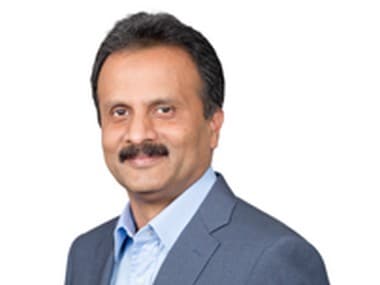 V G Siddhartha, Chairman and Managing Director, Coffee Day Enterprises. Pic Courtesy: coffeeday.com[/caption]The second mystery in Siddhartha’s purported letter is the statement: “My team, auditors and senior management are totally unaware of all my transactions.” If the dead founder of CCD was referring to the borrowings, it is not possible that his auditors and board members were unaware about it. This is unlike Satyam founder B Ramalinga Raju’s letter where he stated that he fudged the company’s accounts for 7 years. As far as we know, Siddhartha committed no fraud in CCD but carried out routine financial transactions. Borrowings cannot be an individual decision and it is highly unlikely that the board and auditors were in the dark.CCD had debt obligations. But it also had assets well enough to cover the liabilities. It is a well-known brand with a strong footprint across the country with active investor interest in its future prospects. Multinational giant Coca-cola had reportedly shown interest in picking up stake in CCD and was apparently in talks with Siddhartha.
An analysis of CCD’s available financials from stock exchange notes, Siddhartha’s own alleged suicide note and corporate presentations suggest—assuming these are all true figures—nothing that would take the business down; nothing in the available figures suggest that a collapse was imminent or the business had failed permanently. The company has assets well over its liabilities to cover its obligations and there was investor interest in CCD to pick up part of the stake in the fast-growing coffee chain.As on March 2019, Coffee Day Enterprises—the umbrella company of the Coffee Day group, had a total debt of around Rs 6,547 crore. Interest outgo jumped to Rs 145 crore in March 2019 quarter from Rs 91 crore in the corresponding quarter in the previous year. But, look at its assets. An estimated little over Rs 10,000 crore of total tangible assets and another Rs 7,000-8,000 crore for the CCD brand alone. Also, Siddhartha and his family own large parcels of coffee plantations—more than 12,000 acres worth around Rs 2,000 crores. There were other subsidiaries too that had tangible assets that could have helped the company to stay afloat.The company was in profit, although the growth had declined in line with other firms in the consumer industry. Net profit for the March quarter declined 16.99 percent to Rs 28.83 crore in the quarter ended March 2019 as against Rs 34.73 crore during the previous quarter ended March 2018. Sales, however, rose 16.98 percent to Rs 1322.20 crore in the quarter as against Rs 1130.26 crore in the year-ago quarter. These numbers shouldn’t be ringing the death-knell to a company that runs 1,700 stores and 54,000 vending machines and had set a revenue target of Rs 2,200 crores.Post-the Mindtree share sale to Larsen and Toubro (L&T), Coffee Day’s financials had improved. The company received after expenses and taxes Rs 2,100 crore that was used to cut its debts. That money was also used to settle Rs 600 crore of promoter debt. Hence, the total company debt wasn’t reduced to the expected level.
 LATEST UPDATES: CCD FOUNDER VG SIDDHARTHA'S BODY FOUNDOver the last one year, the overall debt jumped by 64 percent to around Rs 6547 crore and the interest outgo increased. There were several financial institutions that lent money to CCD including IFCI being one of the major lenders. The presence of a clutch of private equity companies at the investor table too would have put pressure on Siddhartha to bring in more money to the table. In a tight liquidity environment and adverse business scenario, most of the doors were closed. Post the IL&FS tragedy, most lenders had shut their lending channels to consumer companies on account of liquidity problems and fear of defaults.Siddhartha had already pledged most of his shares. The company’s borrowings were heavily used for expansion plans. Besides coffee business, CCD had ventured into real estate, hospitality among others. What possibly worried Siddhartha—the rising debt and interest burden—wasn’t something unique to CCD. At a time when the general economy was slowing steadily, demand has slumped drastically across segments and credit lines are drying up on account of a continuing liquidity crunch. Most companies in the consumer business have been facing a similar situation, prompting many of them to cut costs, labour and sell non-core assets. Most of the FMCG firms have been posting weak results.What is puzzling here is that not all doors were closed before Siddhartha and CCD for the promoter to end his life citing business failure. Selling his assets and part of his shareholding would have given a new lease of life to CCD and Siddhartha, helping the company to pare its debts and focus on core business. That leaves the question; Was it mere financial woes that scripted the tragic end of the man who gifted India its largest coffee chain or something else? Only time will tell.(Data contribution by Kishor Kadam)
First Published:Jul 31, 2019, 13:00:11 IST
Advertisement
Advertisement

No premium queues, 30-minute target: What changes for Indian passport applicants in UAE
Indian passport applicants in the UAE can now access passport, visa and attestation services through Alhind’s 16 centres, with no premium queues, a Dh19 service fee and a target of completing applications within 30 minutes
4 min read
Bharat Forge, Flying Whales sign pact to develop 60-tonne airships for India’s defence logistics
Bharat Forge has signed an MoU with Flying Whales to jointly develop and manufacture 60-tonne heavy-lift airships in India for defence logistics, strategic mobility and disaster response
3 min read
Air India to cut Delhi-Toronto flight time by 3 hours, resume non-stop services from August 1
Air India will resume non-stop Delhi-Toronto flights from August 1, cutting travel time by nearly three hours and deploying its new Boeing 787-9 Dreamliner on the route
2 min read
South Korea economy grows faster than expected in Q2 as chip exports power recovery
South Korea’s economy grew 0.6% in the second quarter, beating expectations as strong semiconductor exports offset weakness in construction investment and domestic demand
2 min read
India remains among fastest-growing major economies despite global uncertainty, says RBI Bulletin
RBI says industrial and services activity stayed resilient through June, while strong trade, stable external sector and improving foreign investment continue to support economic growth.
1 min read
Advertisement
Advertisement