
Advertisement
Co Presented By
Co Presented By


Sections
Tata-Mistry spat shows independent company directors vulnerable in India
Such corporate infighting is not rampant in India, but the latest events could set a dangerous precedent, suggesting an urgent need to relook at the role of independent company directors in the country, experts say

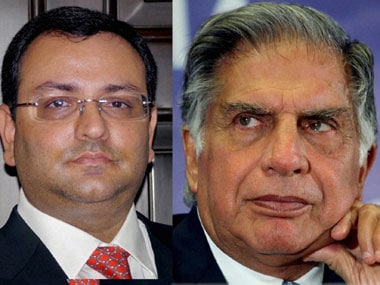 Cyrus Mistry (L) and Ratan Tata[/caption]"If independent directors are under constant threat of being removed ... why would they act in an independent manner?" In developed markets such as the United States and the United Kingdom, independent directors are relatively protected as shareholdings are much more diffused. But in India, listed firms are dominated by a major shareholder, making it easier for the latter to stamp out dissenting independent voices.Of the 1,594 listed and actively traded firms on India's main bourse, some 88 percent have dominant shareholders with 30-80 percent stakes, data from Prime Database shows.Test caseTata Sons is the single-largest shareholder in the group companies where Wadia is an independent director. Mistry's Shapoorji Pallonji family owns about 18 percent of Tata Sons.To oust Wadia, Tata Sons needs to call for a special shareholder meeting and win a simple majority vote. The dominant shareholder, who is calling for the ouster, is not barred from voting on the issue.
"I think this particular case will be effectively the test case for how robust the regime (India's company law) is or whether any further changes need to be made to it," said Umakanth Varottil, an associate law professor at National University of Singapore.India's market regulator Sebi, however, said there was no immediate need to change the norms around independent directors."I, at this stage, don't foresee any particular compelling reason to review that," Chairman UK Sinha has said. India has only recently moved to recognize the role and the significance of independent directors. The function was formally introduced into the Companies Act 2013. The law details the duties of independents - from looking after interests of minority shareholders to scrutinizing management performance and providing objective views on strategy decisions and other matters."The institution of independent directors in India is quite nascent, so if you allow independence to be compromised at this stage, then things can go wrong," said Iyer.
First Published:Dec 22, 2016, 21:45:05 IST
Advertisement
Advertisement

Google burns cash for first time as AI spending pushes 2026 capex to $205 billion
Google parent Alphabet reported negative free cash flow of $5.9 billion in the second quarter for the first time since going public, as surging AI infrastructure spending pushed its 2026 capital expenditure forecast to as much as $205 billion
6 min read
Tesla sells more cars but makes less money: Why Musk’s AI pivot is squeezing profits
Tesla’s record Q2 deliveries failed to translate into higher profits as price cuts, falling regulatory-credit revenue and Elon Musk’s aggressive AI spending squeezed margins and pushed the EV maker into negative free cash flow
5 min read
No premium queues, 30-minute target: What changes for Indian passport applicants in UAE
Indian passport applicants in the UAE can now access passport, visa and attestation services through Alhind’s 16 centres, with no premium queues, a Dh19 service fee and a target of completing applications within 30 minutes
4 min read
Bharat Forge, Flying Whales sign pact to develop 60-tonne airships for India’s defence logistics
Bharat Forge has signed an MoU with Flying Whales to jointly develop and manufacture 60-tonne heavy-lift airships in India for defence logistics, strategic mobility and disaster response
3 min read
Air India to cut Delhi-Toronto flight time by 3 hours, resume non-stop services from August 1
Air India will resume non-stop Delhi-Toronto flights from August 1, cutting travel time by nearly three hours and deploying its new Boeing 787-9 Dreamliner on the route
2 min read
Advertisement
Advertisement