



SEBI to ease share buyback norms for companies with housing finance, NBFC arms
Capital markets regulator SEBI is planning to ease its norms for buyback of shares by listed companies, especially those having subsidiaries in housing finance and NBFC sectors

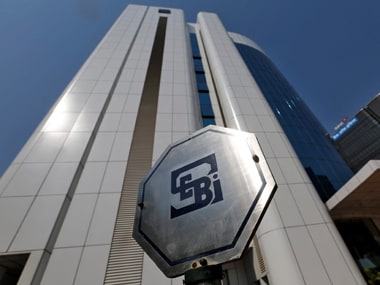
Representational image. Reuters[/caption]While SEBI takes into account financial statements on standalone as well as the consolidated basis for evaluating the buyback thresholds, several issues have been raised in the recent past with regard to considering consolidated financial statements for companies with subsidiaries having higher debt due to their presence in businesses like NBFC and housing finance segments. SEBI's proposal to amend its regulations also follow a notification by the Corporate Affairs Ministry permitting government companies carrying out non-banking finance and housing finance activities to launch buybacks resulting in up to 6:1 debt to equity ratio post the share repurchase. After taking into account feedback to a public consultation process launched in May, SEBI has now proposed to continue with the current approach of allowing buybacks resulting in post-buyback debt-to-equity ratio of up to 2:1, except for companies for which a higher ratio has been notified under the Companies Act, based on both standalone and consolidated basis. However, if the debt to equity ratio on a standalone basis does not exceed 2:1, but exceeds this threshold on a consolidated basis, buybacks would still be allowed if the consolidated ratio is up to 2:1 after excluding the subsidiaries that are NBFCs and housing finance companies regulated by RBI or National Housing Bank. But, the standalone debt to equity ratio of all such excluded subsidiaries should not exceed 5:1. SEBI's Primary Market Advisory Committee had also suggested that regulated subsidiaries with AAA ratings should be excluded for computing the debt-to-equity ratio on a consolidated basis. However, after taking into account the feedback, the regulator felt it would be difficult to prescribe, monitor and enforce the proposed rating requirement due to practical implementation challenges such as dynamic changes in ratings, age of ratings and difference in ratings of short-term and long-term instruments. SEBI has, therefore, decided to drop the condition relating to ratings. Under the new rules, it would also be clarified that the financial statements would be considered on both standalone and consolidated basis to determine the maximum permissible buyback size and other related requirements.

No premium queues, 30-minute target: What changes for Indian passport applicants in UAE
Bharat Forge, Flying Whales sign pact to develop 60-tonne airships for India’s defence logistics
Air India to cut Delhi-Toronto flight time by 3 hours, resume non-stop services from August 1
South Korea economy grows faster than expected in Q2 as chip exports power recovery
India remains among fastest-growing major economies despite global uncertainty, says RBI Bulletin