



SC quashes RBI’s 12 February circular: Judiciary has watered down India’s hard-won reform progress on quicker NPA resolution
The judiciary should have let the RBI run the NPA clean up process in the way it deems fit but decided to meddle with the process.

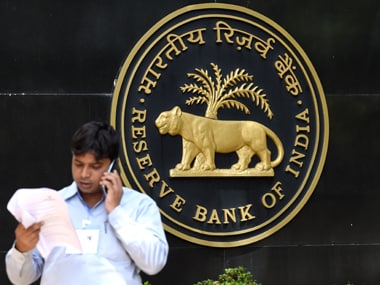
Representational image. AFP.[/caption]It made banks resolve the problem in 180 days failing which such accounts must be referred to National Company Law Tribunals (NLCTs) for resolution for large account of Rs 2,000 crore and above.Even after the SC ruling, banks can still refer defaulting companies to NCLT but they will have to wait longer to do so. When large companies default, each day of default adds to the stress of the bank and a delayed resolution widens their losses.Even though this rule was originally meant for power companies, the circular applied to others as well. Rating agency, ICRA, estimates the total debt impacted due to the 12 February circular to be around Rs 3.8 lakh crore across 70 large borrowers of which Rs 2 lakh crore across 34 borrowers were in the power sector.Nearly 92 percent of this debt has been classified as non-performing by banks as of March 2018 and also made provisions of over 25-40 percent on these accounts.With the SC quashing the circular itself, this process will get delayed causing taking things back to the old era when defaulting companies enjoyed the privilege of time and relaxed rules to take the banks for a ride.The judiciary should have let the RBI run the NPA clean up process in the way it deems fit but decided to meddle with the process. In August last year, the Allahabad High Court’s decision to deny interim relief to power companies with respect to the 12 February circular had given hopes that judiciary is finally acknowledging the fact that there can’t be exceptions in the fight against NPAs. By sticking to the well-laid down rules of the RBI was just the right thing for the apex court to do at a time when the banking sector is neck-deep in bad loans.But the latest SC ruling once again put the central bank on the back foot. It also raises larger questions about the power vested on the central bank under the RBI Act.The SC’s ruling is disappointing and regressive also from the reforms point of view. One of the biggest hopes when IBC (Insolvency and Bankruptcy Code) came to picture under the Narendra Modi government was that banking sector will now get a freehand to administer bitter pills to wilful defaulters by dragging them to bankruptcy courts.In the past, cash-rich promoters of defaulting companies used to drag banks to court rooms for years on end to delay the repayment. The 12 February circular was a powerful tool for the banks to use the IBC channel without delay. But the hopes of a timely resolution has been dashed by the apex court with its decision and sets a bad precedent in the sector.

US jobless claims fall to 187,000, signalling resilient labour market ahead of Fed meeting
NDTA asks Connaught Place shops, offices and restaurants to close by 6:30 pm today
EU slaps Google with $1 billion antitrust fine over Play Store and Search practices
Brent crude flirts with $100, reigniting inflation and forex concerns for India
Can a record May offset a shrunk international schedule and help IndiGo turn a profit?