



RBI employee union expresses shock over governor Urjit Patel's resignation
The All India Reserve Bank Employees Association has expressed shock over the resignation of central bank governor Urjit Patel, saying one of the trigger points could be a transfer of reserves to the government.

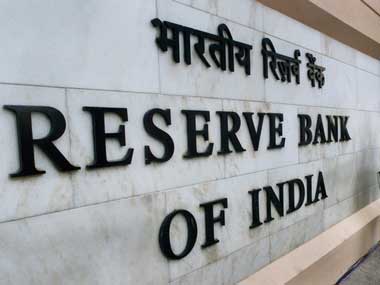
Representational image. Reuters[/caption]It claimed the recent dispute between RBI and the government on issues such as the transfer of surplus funds to the government could have lead to his resignation. "Transfer of RBI surplus to the government is one of the biggest bone of contention between the two. A committee was to be set up jointly by the RBI and the government to look into the transfer of reserves to the government. We think one of the trigger points could be the appointment of members of the committee," the union said. In its November 19 meeting, RBI's board had decided to constitute a committee of experts to examine the economic capital framework (ECF), the membership and terms of reference of which will be jointly determined by the government and RBI. The committee will determine the appropriate levels of reserves the central bank ought to hold. It will have a minimum of three people, which will include present and past central bankers, and officials from the finance ministry. As of June 30, RBI's reserves stood at Rs 9.43 lakh crore. Meanwhile, All India Bank Employees Association (AIBEA) said Patel's resignation is most unfortunate but in most likelihood has happened in response to the way the government has handled contentious issues such as transfer of reserves and dilution in PCA (prompt corrective action) norms. "This speaks of government credibility in dealing with the economy," the bank union said.

Tesla sells more cars but makes less money: Why Musk’s AI pivot is squeezing profits
No premium queues, 30-minute target: What changes for Indian passport applicants in UAE
Bharat Forge, Flying Whales sign pact to develop 60-tonne airships for India’s defence logistics
Air India to cut Delhi-Toronto flight time by 3 hours, resume non-stop services from August 1
South Korea economy grows faster than expected in Q2 as chip exports power recovery