



FSSAI training Iskcon, Somnath and other temples to serve safe prasad
The project Blissful Hygienic Offering to God (BHOG) was launched with an aim to ensure that the prasad/food received by devotees is safe for consumption.

New Delhi: Food regulator FSSAI has expanded its programme for training officials of renowned temples like Iskcon and Somnath temple to ensure the 'prasad' served to devotees is safe and hygienic.The Food Safety and Standards Authority of India (FSSAI), which launched a programme called BHOG in 2016, organised a workshop in the national capital on Thursday which was attended by representatives of all major temples including Chintapurni Shakti Peeth, Meenakshi temple and Somnath temple.It also released a guidance manual to facilitate voluntary implementation of food safety at places of worship."Since around 30 crore people visit place of worship (PoW) daily across nation and receive prasad as blessing of God, it is necessary to ensure that it is safe for devotees," the FSSAI said in a statement.[caption id="attachment_4180093" align="alignleft" width="380"]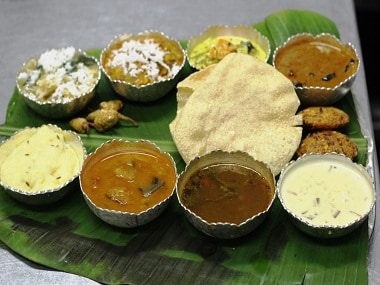 Representative image.[/caption]The project Blissful Hygienic Offering to God (BHOG) was launched with an aim to ensure that the prasad/food received by devotees is safe for consumption.The project was launched nationwide with the support of Association of Food Scientists and Technologist India (AFSTI), which has been involved in food safety system implementation at Mumbai's Siddhivinayak Temple and Shirdi's Sai Prasadalya.The first workshop of BHOG was organised in 2016 and was attended by 14 major temples to create awareness and build capacities for improvement of food handling in places of worship."All temples showed overwhelming interest in adopting this Project BHOG in their respective place of worship, notably Tamil Nadu and Maharashtra," the statement said.In Tamil Nadu, the project was implemented in 20 major temples, training around 300 food handlers, while Maharashtra conducted training programme for more than 3,500 food handlers from 236 places of worship. Similar training was also held in Hanuman Mandir, New Delhi.Continuing its efforts, the FSSAI organised the second workshop on Thursday and reviewed the progress of the states in implementing the project.FSSAI also said the temples should use fortified staples such as ghee, oil, rice, flour and milk while preparing prasad/langar to make it more wholesome.

'From make in India to launch from India': Skyroot COO on why Vikram-1 could change India’s space sector
Google burns cash for first time as AI spending pushes 2026 capex to $205 billion
Tesla sells more cars but makes less money: Why Musk’s AI pivot is squeezing profits
No premium queues, 30-minute target: What changes for Indian passport applicants in UAE
Bharat Forge, Flying Whales sign pact to develop 60-tonne airships for India’s defence logistics