



Fig leaf of PAN would be inadequate as taxman is watching every high value cash transactions
Section 40A (3) disallows cash expenses in excess of Rs 10,000 in toto while computing a person’s income from business and profession

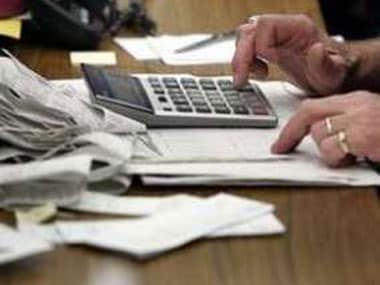
Representational image. Reuters[/caption]There is no reason why a person cannot arrange payment through banking channels for high value transactions. Hospitals are often cited as centers where cash payments must be indulged considering the emotional needs of patients and their families. But with the poor brought under the Ayushman Bharat Yojana the bottom for case for indulging high value cash transactions in hospitals has been knocked out.It is good that penalty is on the receiver and not on the payer because it is a tacit acceptance that the more well-heeled receiver should lead the way by complying with the laws of the country. It is good because it is of a piece with the refrain that the bribe taker is as much guilty as the bribe giver. It is also good because it is of a piece with the progressive schools dictum that a student showing his answer is as much culpable as the one copying. In these senses, the payer ought also to be punished but to start with hefty penalty on the receiver should have a disciplining effect on both.2. Section 40A (3) disallows cash expenses in excess of Rs 10,000 in toto while computing a person’s income from business and profession. Earlier the limit was Rs 20,000. While the reduction in the leeway for cash is good, it must be made clear that the businessman cannot get round the rigor of this rule by phasing his cash payments over several days with each day’s payment being less than Rs 10,000.3. The third admonition not to make political donations in excess of Rs 2,000 in cash is bound to invite derision because political parties are adept in the game of splitting huge donations of say crores of rupees into units of Rs 2,000 anonymous donations to get round this rigor. If the government is serious about stamping out the pernicious influence of cash in our elections, it must abolish cash donations lock, stock and barrel4. The fourth admonition is not to pay health insurance premium in cash as otherwise it would not make the grade for deduction under section 80D. One wishes the onus was also put on health insurance companies by saying that if they accept cash premia, they will be subjected to a hefty penalty equal to such cash receipt.5. The fifth admonition contained in section 269SS and reiterated now is against taking loans or deposits in excess of Rs 20,000 in cash. There are name lenders to protect the black money owners. They walk in lock-step. It is to break this lock step that this salutary prohibition was made. It is good that no leeway or latitude has been shown---the limit of Rs 20,000 enures for the current loan or deposit as well as the outstanding loan or deposit. Thus a name lender has been halted in his tracks. He cannot shield a crook for his undisclosed income by vesting it with the character of a loan from him beyond Rs 20,000 including outstanding dues. The penalty on lender is the amount taken as loan or deposit in violation of this limit. It can be quite hefty.All these would go a long way in making India a less cash economy that incestuously breeds and nurtures black money. A spin off by no means a mean one would also be leg up to digital payments.(The author is a senior columnist and tweets @smurlidharan)

US jobless claims fall to 187,000, signalling resilient labour market ahead of Fed meeting
NDTA asks Connaught Place shops, offices and restaurants to close by 6:30 pm today
EU slaps Google with $1 billion antitrust fine over Play Store and Search practices
Brent crude flirts with $100, reigniting inflation and forex concerns for India
Can a record May offset a shrunk international schedule and help IndiGo turn a profit?