



DoT may suggest steep fine of Rs 20,000 on every pesky call
DoT also feels that that government should increase penalty for unauthorised or illegal phone interception to Rs 2 crore from Rs 1 core charged at present.

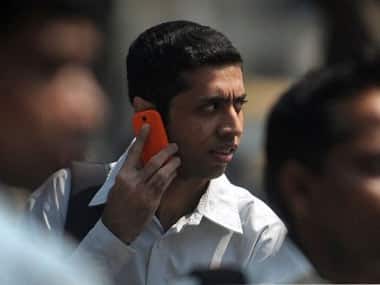
New Delhi: Every unsolicited commercial call by a telemarketer may invite a penalty of Rs 20,000 as DoT in its comments on proposed Right to Privacy Bill is likely to suggest such a steep fine.
The Department of Personnel and Training has sought comments on the Right to Privacy bill from DoT which feels in case of unsolicited commercial communication through telephone calls, the caller shall be punished with a penalty of Rs 20,000 in each case, sources said.
AFP[/caption]
In its recommendations on the proposed bill, DoT may also suggest that interception of phone calls be allowed as without interception it cannot be established whether a call made to phone subscriber was unsolicited or not. DoT also feels that that government should increase penalty for unauthorised or illegal phone interception to Rs 2 crore from Rs 1 core charged at present.
 More from Business
Under Trai regulation on pesky calls and SMSes, a penalty of Rs 25,000 has to be deducted from deposit of registered telemarketers on first violation. The penalty increases step by step and goes up to Rs 2.5 lakh at sixth violation. However, the menace of pesky calls and SMSes has been more from unregistered telemarketers.
According to a new clause of Trai regulation, both registered and unregistered telemarketers would be blacklisted for making unsolicited calls and SMSes. The blacklisted ones will lose telecom connection and will not get new number for two years.
PTI

Google burns cash for first time as AI spending pushes 2026 capex to $205 billion
Tesla sells more cars but makes less money: Why Musk’s AI pivot is squeezing profits
No premium queues, 30-minute target: What changes for Indian passport applicants in UAE
Bharat Forge, Flying Whales sign pact to develop 60-tonne airships for India’s defence logistics
Air India to cut Delhi-Toronto flight time by 3 hours, resume non-stop services from August 1